
The Ultimate Guide to Fulfillment Logistics for Growing Businesses


Understanding Fulfillment Logistics
As your business grows, managing logistics becomes increasingly complex. Fulfillment logistics involves the entire process from receiving an order to delivering it to the customer's doorstep. It encompasses warehousing, inventory management, order processing, and shipping.
Efficient fulfillment logistics is crucial for maintaining customer satisfaction and optimizing operational costs. By understanding its components, you can streamline your operations and support your business's growth.
The Role of Warehousing
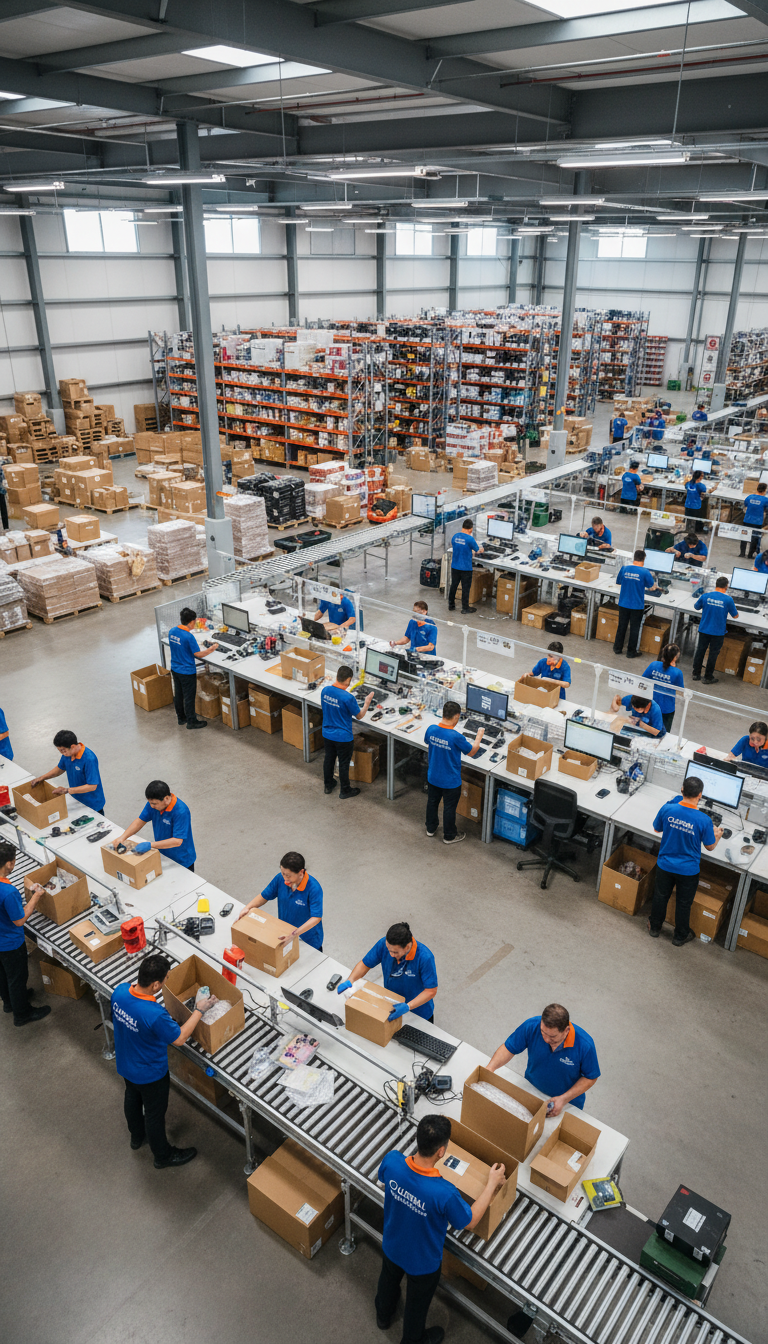
Warehousing is a critical component of fulfillment logistics. It involves storing products in a manner that makes them easy to locate and ship. An effective warehousing strategy ensures that your products are organized and ready for quick dispatch.
Consider the layout of your warehouse, the technology used for inventory tracking, and the processes in place for picking and packing. These elements can significantly impact your fulfillment efficiency.
Inventory Management Techniques
Inventory management is about maintaining the right balance of stock to meet customer demand without overstocking. Effective strategies include:
- Just-In-Time (JIT): Minimizing inventory by ordering goods only as needed.
- ABC Analysis: Categorizing inventory based on importance and cost.
- FIFO and LIFO: Methods to manage stock rotation.
Order Processing Steps
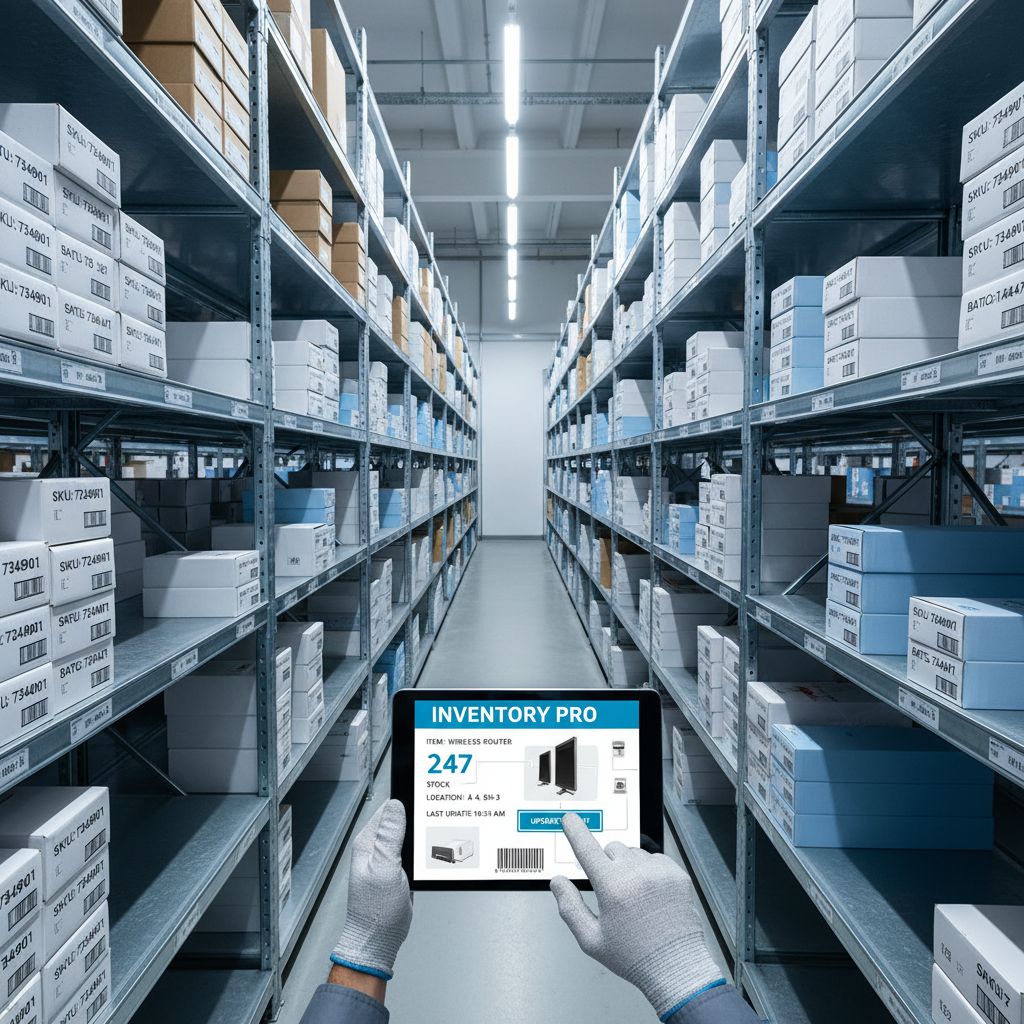
Order processing is the sequence of actions taken from when an order is received to when it is shipped. It includes order verification, picking, packing, and labeling. Each step needs to be optimized to reduce delays and errors.
Investing in automated systems can enhance accuracy and speed, making it easier to handle a growing volume of orders.
Shipping and Delivery Optimization
Shipping is the final step in fulfillment logistics and directly affects customer satisfaction. Offering multiple shipping options and transparent tracking can enhance the customer experience.
Partnering with reliable carriers and negotiating competitive rates can help you manage costs while ensuring timely deliveries.
Leveraging Technology for Efficiency
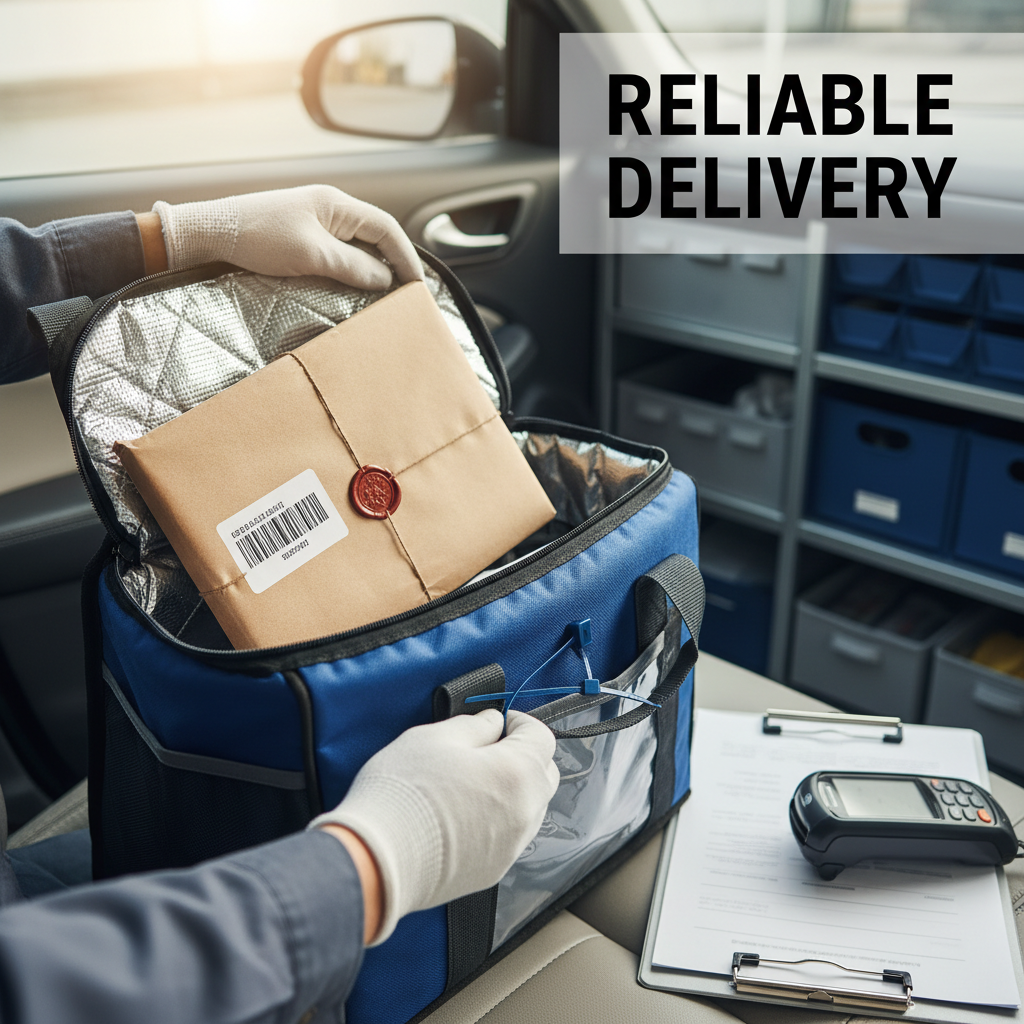
Technology plays a vital role in modern fulfillment logistics. Implementing software solutions like Warehouse Management Systems (WMS) and Transportation Management Systems (TMS) can automate and streamline operations.
These technologies provide real-time data and analytics, enabling better decision-making and efficient resource allocation.
Challenges and Solutions
Growing businesses often face challenges in scaling their logistics operations. Common issues include inventory inaccuracies, delivery delays, and rising operational costs.
Solutions involve adopting scalable technology, refining processes, and training staff to handle increased demand. Regularly reviewing and adjusting your logistics strategy is essential for continued success.

Conclusion: Planning for the Future
As your business expands, your fulfillment logistics must evolve to meet new demands. By understanding and optimizing each component, you can create a robust logistics framework that supports growth and enhances customer satisfaction.
Stay informed about industry trends and continually seek opportunities to improve your logistics strategy. This proactive approach will ensure your business remains competitive and successful in the long run.