
Latest Trends in Fulfillment Logistics You Need to Know


Introduction to Fulfillment Logistics Trends
The world of fulfillment logistics is evolving rapidly, driven by technological advancements and changing consumer expectations. Staying updated on the latest trends in this field is crucial for businesses aiming to maintain a competitive edge. In this post, we'll explore some of the most significant trends shaping the future of fulfillment logistics.

Automation and Robotics
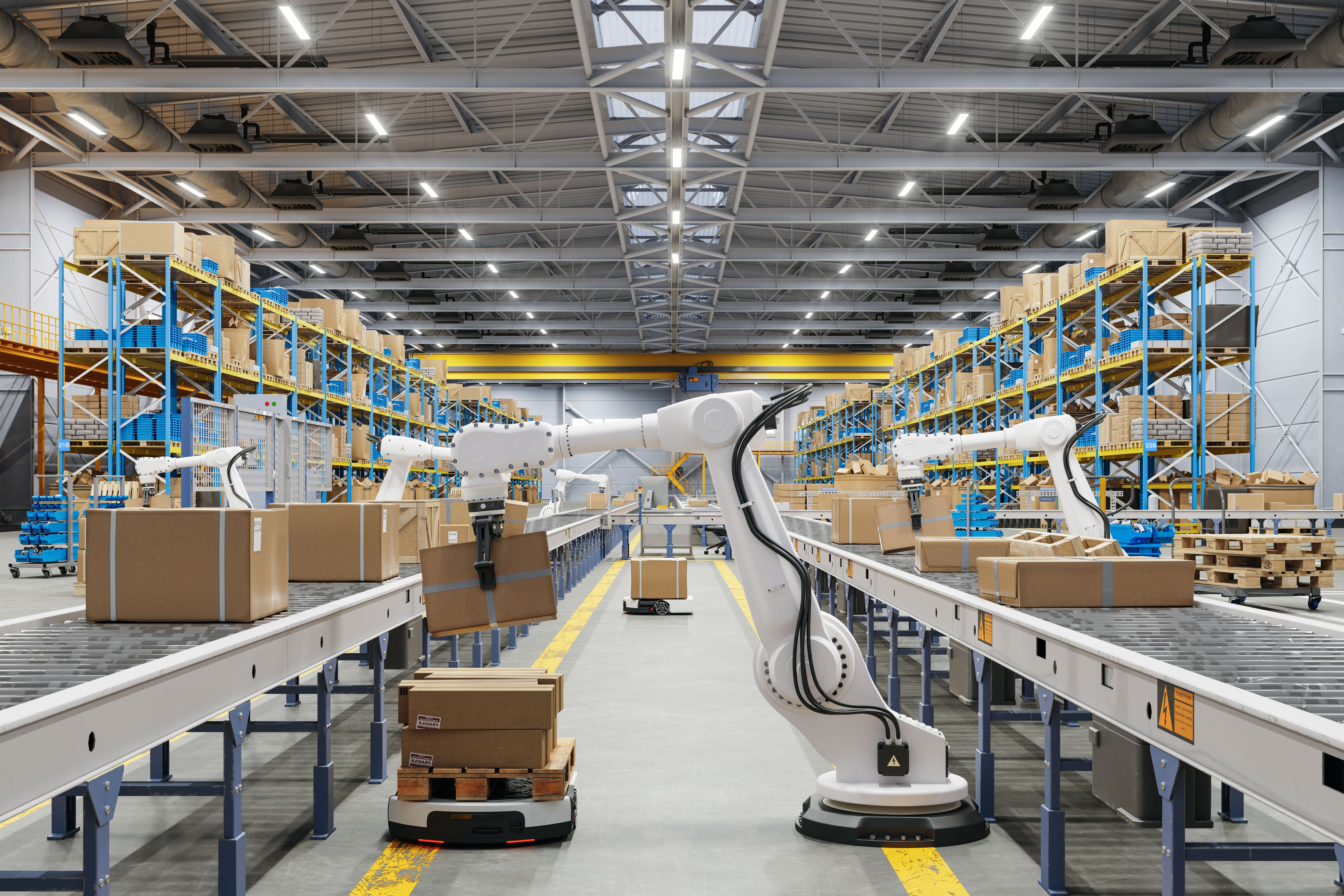
Automation is no longer a futuristic concept; it's a present-day reality in fulfillment logistics. Warehouses are increasingly adopting robotics to streamline operations, reduce errors, and enhance efficiency. From automated picking systems to robotic sorting, technology is revolutionizing the way goods are handled and shipped.
The use of robotics not only speeds up processes but also minimizes human error, ensuring a more reliable and efficient system. As labor costs rise, automation becomes an even more attractive option for businesses looking to optimize their fulfillment operations.
Last-Mile Delivery Innovations
The last mile of delivery is often the most challenging and costly part of the logistics chain. Innovations in this area are focused on improving speed and reducing costs. Crowdsourced delivery, drones, and autonomous vehicles are just a few examples of how companies are addressing these challenges.
Crowdsourced delivery platforms allow companies to tap into local drivers to fulfill orders, providing flexibility and cost savings. Meanwhile, drones and autonomous vehicles are being tested to deliver packages more efficiently, especially in urban areas.

Sustainability in Fulfillment
Environmental concerns are becoming increasingly important in the logistics industry. Companies are focusing on sustainable practices, such as reducing packaging waste, optimizing routes to lower fuel consumption, and using eco-friendly materials. These efforts not only benefit the environment but also appeal to eco-conscious consumers.
Incorporating sustainable practices can also lead to cost savings in the long run, as businesses reduce waste and improve operational efficiency. This trend is expected to continue growing as more companies recognize the importance of sustainability.

Data-Driven Decision Making
Data analytics play a crucial role in modern fulfillment logistics. By leveraging data, companies can gain insights into their operations, identify areas for improvement, and make informed decisions. Predictive analytics, for example, can help businesses forecast demand and optimize inventory levels.
These insights enable companies to adapt quickly to changes in consumer behavior and market trends, ensuring they can meet customer demands efficiently and effectively.

Omnichannel Fulfillment
As consumers increasingly expect seamless shopping experiences across various channels, omnichannel fulfillment has become a key focus for retailers. This approach allows businesses to fulfill orders from multiple sources, such as stores, warehouses, and distribution centers, providing greater flexibility and convenience for customers.
Omnichannel fulfillment also enables companies to optimize their inventory by using real-time data to track stock levels across different locations, reducing the risk of overstocking or stockouts.

Conclusion
The landscape of fulfillment logistics is continuously evolving, driven by technological advancements and changing consumer expectations. By staying informed about the latest trends, businesses can adapt and thrive in this dynamic environment. From automation and sustainability to data-driven decision-making, these trends are shaping the future of fulfillment logistics.